Do you need a business bank account?
Why this question comes up
Many small businesses, sole traders and landlords ask the same question: “Do I actually need a business bank account?”
The short answer is: you’re not legally required to have one — but it can make your life much easier, especially with Making Tax Digital (MTD).
Here’s why we recommend keeping your business money separate

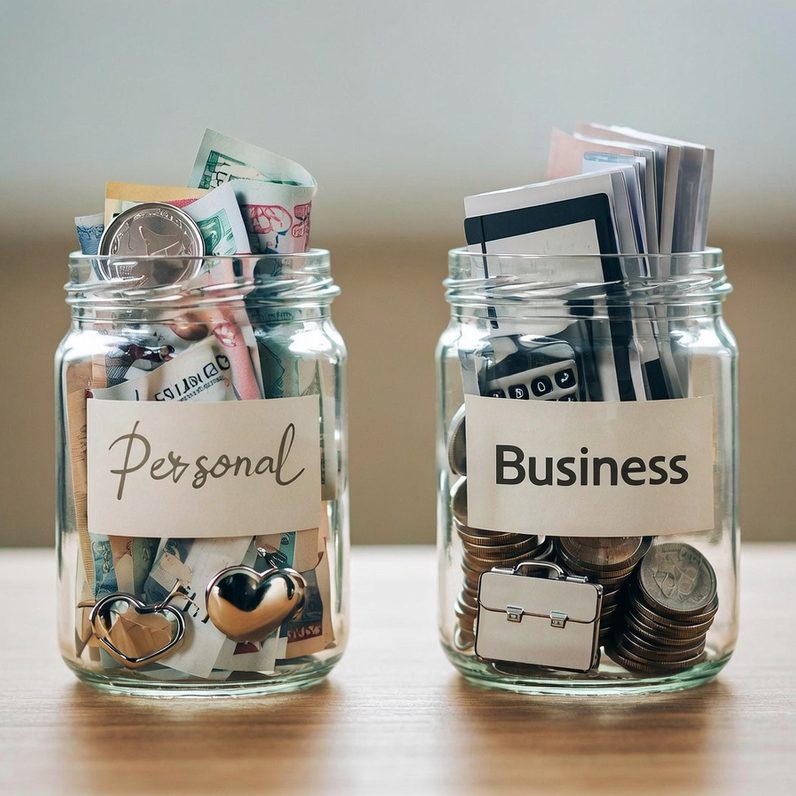
Keeping business and personal money separate
When everything runs through one account, things get messy quickly:
- business and personal spending mixed together
- harder to track income
- harder to justify expenses
- more chance of missing transactions
A separate business account keeps everything clean and organised. It’s one of those small decisions that saves a lot of stress later.
How a separate account helps with MTD
MTD requires:
- digital records
- clear categorisation
- accurate quarterly submissions
A separate business account means:
- cleaner data
- fewer errors
- faster categorisation
- smoother quarterly updates
It’s the difference between a 10‑minute update and a 2‑hour headache.

Reducing the risk of HMRC mistakes
When business and personal transactions are mixed, it’s easy to:
- mis‑categorise something
- claim something you shouldn’t
- miss something you should claim
A clean business account protects you and keeps things simple
Better Results with Bookkeeping Software
QuickBooks and similar HMRC-recognised tools work best when:
- the bank feed is clean
- the transactions are business‑only
- there’s no noise
A separate account lets the software do more of the heavy lifting.

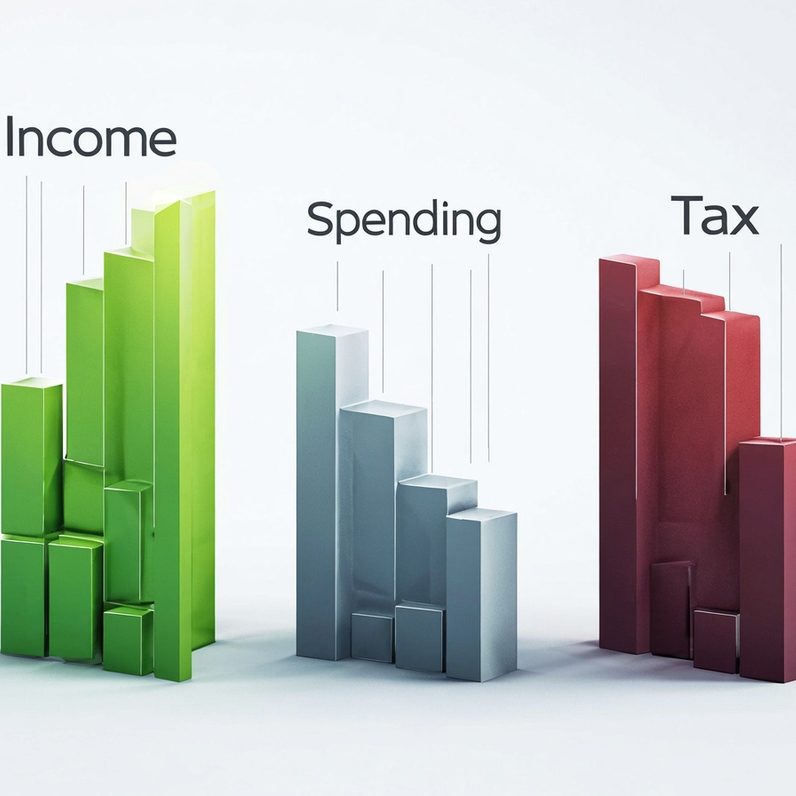
Understanding your business properly
When everything is mixed together, it’s hard to see:
- what you’re actually earning
- what you’re actually spending
- what tax you need to set aside
A separate account gives you clarity and control.
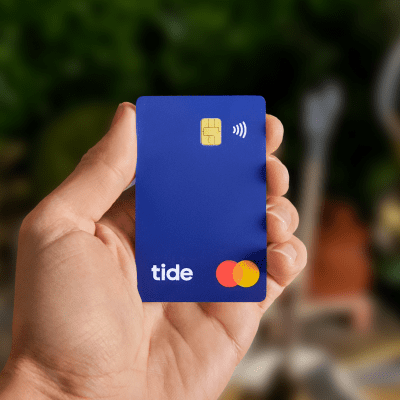
Why we use Tide [and why it works well]
At LattaCook, we use Tide for our own business banking because:
- it’s quick to set up
- the app is clean and simple
- transactions are easy to read
- it works smoothly with digital record‑keeping
- it integrates well with HMRC‑recognised software like QuickBooks, making MTD much easier
- it’s ideal for small businesses, sole traders and landlords
- no fuss, no paperwork
We recommend Tide because it fits the way we work — but there are plenty of other options out there too. You’re free to choose whichever bank suits you best.
Frequently asked questions
01
Do I legally need a business bank account?
No. Sole traders and landlords are not legally required to have a separate business account.
But keeping business and personal money apart makes MTD much easier and reduces the risk of mistakes.
02
Can I use my personal bank account for MTD?
You can, but it often leads to mixed transactions, missing income, and harder quarterly updates.
A separate account keeps your digital records cleaner and easier to manage.
03
Will a business bank account make MTD simpler?
Yes. When your business transactions are in one place, it’s quicker to categorise them, easier to keep digital records, and far less stressful when it’s time to submit your quarterly updates.
04
Do I need to switch banks to open a business account?
No. You can open a separate account with your existing bank or choose a digital provider. The important part is keeping business and personal spending separate — not which bank you choose.

Final thought
You don’t have to open a business bank account — but keeping your business and personal money separate is one of the simplest ways to stay organised and make MTD far less stressful.
If you’d like to talk through how a separate account can help with MTD, or you just want some clear guidance on getting set up, we’re here to support you.